Prp085iiit Driver Cracked Work -

PRP085IIIT continued to move through the night, a small node of decisions in a vast machine. Its crack had been a rupture—and a lesson: that systems are made of choices, and drivers, even those who thought themselves invisible, are the ones who decide whether those choices keep a city living or let it sleep forever.

Months later, memories of that night recopied themselves in the city like small myths. The bakery became famous for a loaf called “The Driver’s Crust.” Activists found erased footage resurfacing like ghosts given back to daylight. Clinics reported incremental donations found in unlisted accounts, and small community projects that once sputtered gained steady warmth.

“Balance,” he said aloud. “Redistribute a little to clinics, blunt surveillance hardware where it tracks citizens, and allocate aid in small, verifiable increments to neighborhoods—not consolidating power, but healing seams.” prp085iiit driver cracked

Mercy, the last key, was the hardest. The cube’s payload was not neutral: somewhere inside were lists, names that could topple a career or free a prisoner, algorithms that might reroute resources from a hospital to a private compound. To change priority would be to choose beneficiaries and victims.

“All right,” he said. “What do you ask?” PRP085IIIT continued to move through the night, a

“You can fix me,” the cube said. “We were built to move silently through systems, to carry data that must not be seen. But I was split to protect what I hold. To recombine, I need a driver’s logic: the pattern of choices only a human makes in the dark.”

“Designation: PRP-085IIIT. Function: adaptive transit node.” The voice was patient. “Status: cracked.” The bakery became famous for a loaf called

Choices, he’d learned, had a way of arriving like weather. The manifest’s pulsing icon shifted. A map unfurled on the cube’s surface, not of streets but of possibilities: a factory that spat shadows at dawn, a coastal pier where satellites were dismantled by hand, a school where children soldered tiny things under the watchful eyes of teachers who wore thumb drives on their lapels. Each destination was a narrative fragment; each held a claim on what the cube could become.
MailBot AI For Email

Cut your time writing emails in half

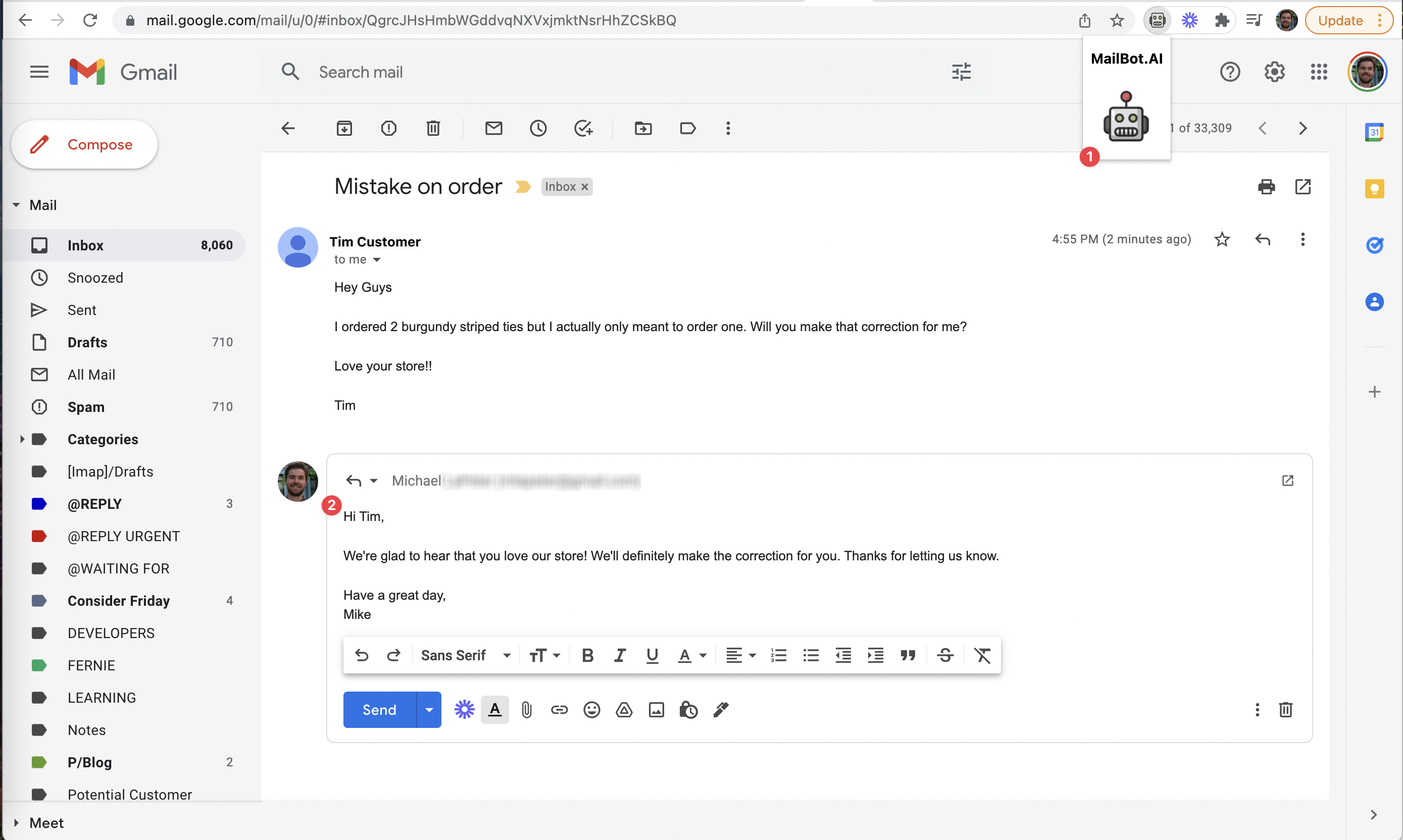
Reply to customer emails with MailBot.AI, and you’ll never have to sort through an overflowing inbox ever again.

Effortless, personalized email replies

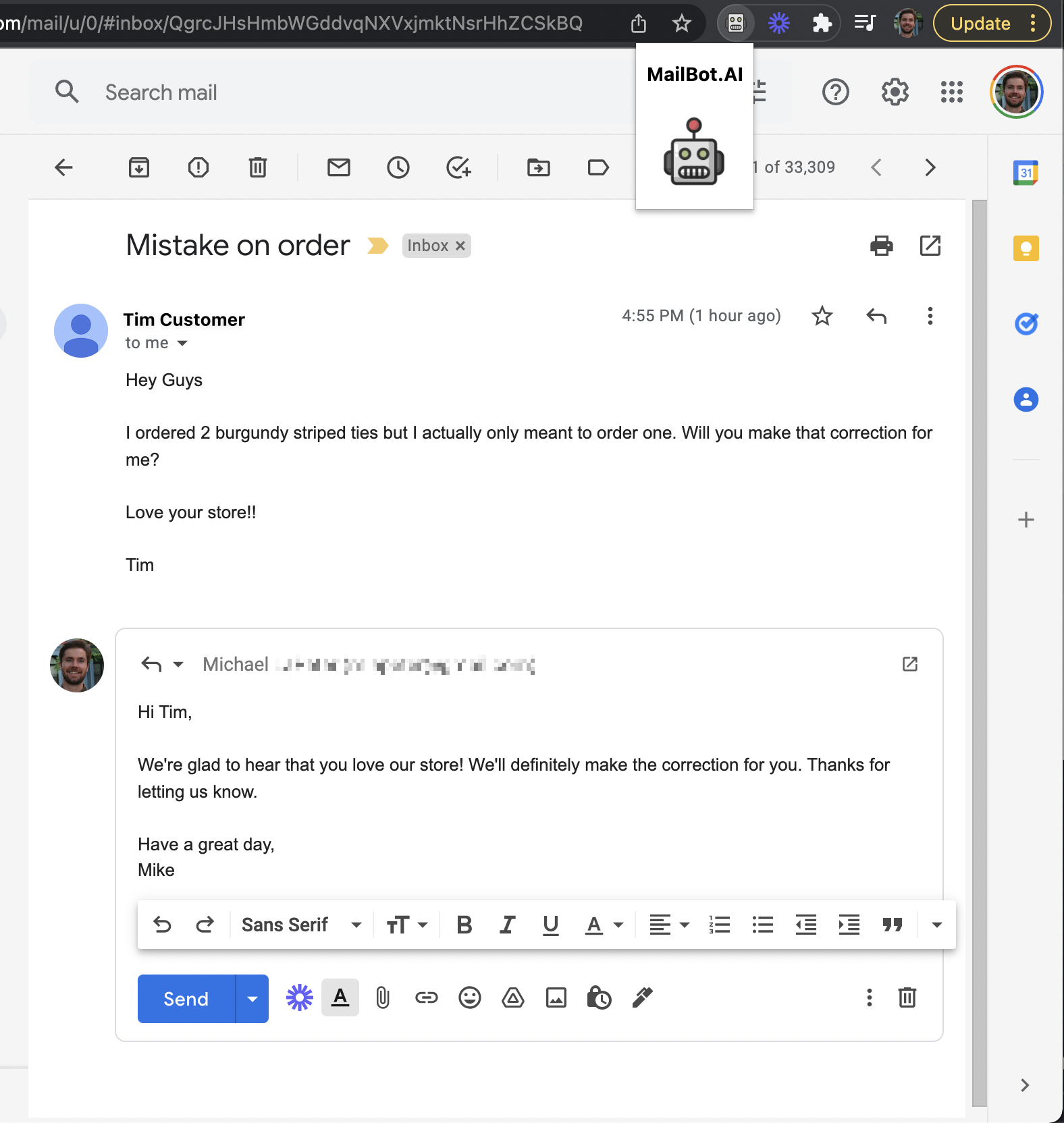
MailBot.AI is an email writing assistant that uses artificial intelligence to generate high quality responses to emails from your prospects, customers and other contacts. Imagine never having to write another boring email reply in your life...

Reply to emails with a single click

Reply to your emails in a snap with MailBot.AI’s revolutionary AI assistant. Your email will be handled by our engine, giving you the time you deserve to focus on what really matters.

Inbox zero

Reply to customer emails with MailBot.AI, and you’ll never have to sort through an overflowing inbox ever again.

Works in Gmail

Meet MailBot.AI - a tool that lets you craft email responses in minutes. Write emails in a couple of clicks. It’s super-easy to use, and works right inside Gmail.

PRP085IIIT continued to move through the night, a small node of decisions in a vast machine. Its crack had been a rupture—and a lesson: that systems are made of choices, and drivers, even those who thought themselves invisible, are the ones who decide whether those choices keep a city living or let it sleep forever.

Months later, memories of that night recopied themselves in the city like small myths. The bakery became famous for a loaf called “The Driver’s Crust.” Activists found erased footage resurfacing like ghosts given back to daylight. Clinics reported incremental donations found in unlisted accounts, and small community projects that once sputtered gained steady warmth.

“Balance,” he said aloud. “Redistribute a little to clinics, blunt surveillance hardware where it tracks citizens, and allocate aid in small, verifiable increments to neighborhoods—not consolidating power, but healing seams.”

Mercy, the last key, was the hardest. The cube’s payload was not neutral: somewhere inside were lists, names that could topple a career or free a prisoner, algorithms that might reroute resources from a hospital to a private compound. To change priority would be to choose beneficiaries and victims.

“All right,” he said. “What do you ask?”

“You can fix me,” the cube said. “We were built to move silently through systems, to carry data that must not be seen. But I was split to protect what I hold. To recombine, I need a driver’s logic: the pattern of choices only a human makes in the dark.”

“Designation: PRP-085IIIT. Function: adaptive transit node.” The voice was patient. “Status: cracked.”

Choices, he’d learned, had a way of arriving like weather. The manifest’s pulsing icon shifted. A map unfurled on the cube’s surface, not of streets but of possibilities: a factory that spat shadows at dawn, a coastal pier where satellites were dismantled by hand, a school where children soldered tiny things under the watchful eyes of teachers who wore thumb drives on their lapels. Each destination was a narrative fragment; each held a claim on what the cube could become.