Saxse Xxxxxx Hat !!top!! Now

4,000+ Hand-Picked and Categorized Samples Used By Top Producers All Over The World

Saxse Xxxxxx Hat !!top!! Now

The controversy sparked a broader conversation about the ethics of immersive media. In the end, most platforms adopted Maya’s standards, and the industry moved toward . Legacy A decade later, Saxse Hat became more than a product; it was a cultural touchstone. Museums displayed the original silver‑emblem fedora, while documentaries traced its impact on the evolution of entertainment. Young creators grew up knowing that a simple hat could turn a monologue into a symphony of sight and sound.

In the neon‑lit streets of New Avalon, a modest boutique called Saxse Hat sat above a bustling coffee shop. Its window displayed a single, oversized fedora stitched with a silver saxophone emblem. The owner, Maya Lin, had inherited the shop from her grandfather, a jazz musician who believed that a well‑chosen hat could change the way people heard the world. A Chance Encounter One rainy evening, a struggling content creator named Leo stumbled into the shop, seeking shelter and a fresh look for his livestream. Maya greeted him with a warm smile and, after a quick chat about his channel—focused on reviewing obscure movies and indie music—she placed a sleek, black fedora on his head. saxse xxxxxx hat

The hashtag trended worldwide. Influencers, musicians, and even news anchors began requesting the hats, eager to harness the technology for their own media. Expansion into Popular Media Recognizing the momentum, Maya partnered with Lumen Studios , a cutting‑edge production house. Together they launched “Hat‑Sync,” a series where each episode featured a different creator wearing a custom‑designed Saxse Hat. The hats translated the emotional tone of the host’s voice into dynamic visual effects on screen—glowing notes for excitement, muted shadows for suspense. The controversy sparked a broader conversation about the

The moment Leo adjusted the brim, a subtle vibration pulsed through the hat. Unbeknownst to him, the hat contained a hidden micro‑array of sensors that captured ambient sound, visual cues, and audience reactions in real time. Maya had been experimenting with for years, hoping to bridge the gap between creator and consumer. The Viral Spark Leo’s next livestream was a review of a forgotten 1970s sci‑fi B‑movie. As he spoke, the Saxse Hat subtly amplified the film’s original soundtrack, syncing it with his commentary. Viewers noticed the seamless blend of narration and music, describing it as “cinematic immersion” and “the future of content.” Within hours, the clip exploded across platforms, racking up millions of views and spawning countless memes. Its window displayed a single, oversized fedora stitched

The series debuted on a major streaming platform and quickly became a cultural phenomenon. Critics praised its innovative storytelling, noting how the hats turned ordinary commentary into a multisensory experience. Awards followed, and the phrase “put on a Saxse Hat” entered everyday slang, meaning “to elevate your content.” Behind the glitz, a tight‑knit community of engineers, designers, and artists formed around Saxse Hat. They held monthly “Hat‑Hack” meetups, where members shared open‑source plugins that altered how the hats interacted with different media—adding AR overlays for gaming streams, synchronizing lighting for live concerts, even translating spoken jokes into visual punchlines.

The controversy sparked a broader conversation about the ethics of immersive media. In the end, most platforms adopted Maya’s standards, and the industry moved toward . Legacy A decade later, Saxse Hat became more than a product; it was a cultural touchstone. Museums displayed the original silver‑emblem fedora, while documentaries traced its impact on the evolution of entertainment. Young creators grew up knowing that a simple hat could turn a monologue into a symphony of sight and sound.

In the neon‑lit streets of New Avalon, a modest boutique called Saxse Hat sat above a bustling coffee shop. Its window displayed a single, oversized fedora stitched with a silver saxophone emblem. The owner, Maya Lin, had inherited the shop from her grandfather, a jazz musician who believed that a well‑chosen hat could change the way people heard the world. A Chance Encounter One rainy evening, a struggling content creator named Leo stumbled into the shop, seeking shelter and a fresh look for his livestream. Maya greeted him with a warm smile and, after a quick chat about his channel—focused on reviewing obscure movies and indie music—she placed a sleek, black fedora on his head.

The hashtag trended worldwide. Influencers, musicians, and even news anchors began requesting the hats, eager to harness the technology for their own media. Expansion into Popular Media Recognizing the momentum, Maya partnered with Lumen Studios , a cutting‑edge production house. Together they launched “Hat‑Sync,” a series where each episode featured a different creator wearing a custom‑designed Saxse Hat. The hats translated the emotional tone of the host’s voice into dynamic visual effects on screen—glowing notes for excitement, muted shadows for suspense.

The moment Leo adjusted the brim, a subtle vibration pulsed through the hat. Unbeknownst to him, the hat contained a hidden micro‑array of sensors that captured ambient sound, visual cues, and audience reactions in real time. Maya had been experimenting with for years, hoping to bridge the gap between creator and consumer. The Viral Spark Leo’s next livestream was a review of a forgotten 1970s sci‑fi B‑movie. As he spoke, the Saxse Hat subtly amplified the film’s original soundtrack, syncing it with his commentary. Viewers noticed the seamless blend of narration and music, describing it as “cinematic immersion” and “the future of content.” Within hours, the clip exploded across platforms, racking up millions of views and spawning countless memes.

The series debuted on a major streaming platform and quickly became a cultural phenomenon. Critics praised its innovative storytelling, noting how the hats turned ordinary commentary into a multisensory experience. Awards followed, and the phrase “put on a Saxse Hat” entered everyday slang, meaning “to elevate your content.” Behind the glitz, a tight‑knit community of engineers, designers, and artists formed around Saxse Hat. They held monthly “Hat‑Hack” meetups, where members shared open‑source plugins that altered how the hats interacted with different media—adding AR overlays for gaming streams, synchronizing lighting for live concerts, even translating spoken jokes into visual punchlines.

Contents

Organized, Production Ready, High Quality Samples Used On International #1 Hits Every Day

WAV files (Waveform)

WAV Files

(4,000+ WAV Files)

Bass drums, snares, snaps, claps, hi hats, shakers, cymbals, percussion, hand drums, toms, sweeps, zaps, booms, hits, orchestra stabs, lo-fi, beatbox, scratches, drum and percussion loops - and much more.

WAV files (Waveform)

Key Maps

(273 EXS Files)

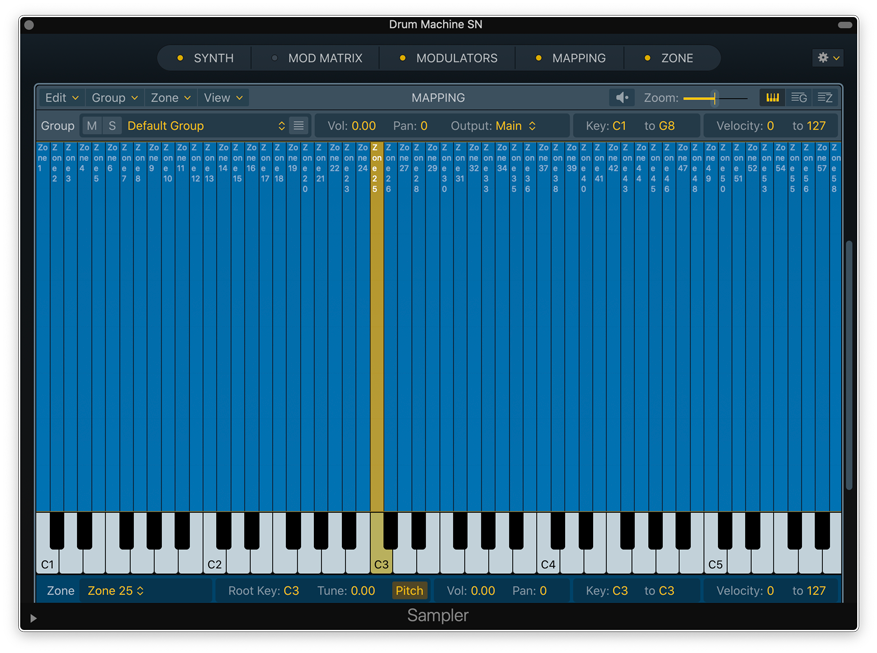
Optional key maps for easy MIDI keyboard access with all EXS24 compatible samplers and players (Logic Pro, NI Kontakt, HALion, Simpler, etc.). The WAV files can be used with any DAW.

Contact & Support

Download Link

Please allow up to 8 hours delivery time. Check your junk mail.

Installation

It's easy to install the samples. If you have any questions I'm here to help.

Lifetime Backup

Re-installed your hard disk? I'll send you a new download link.